
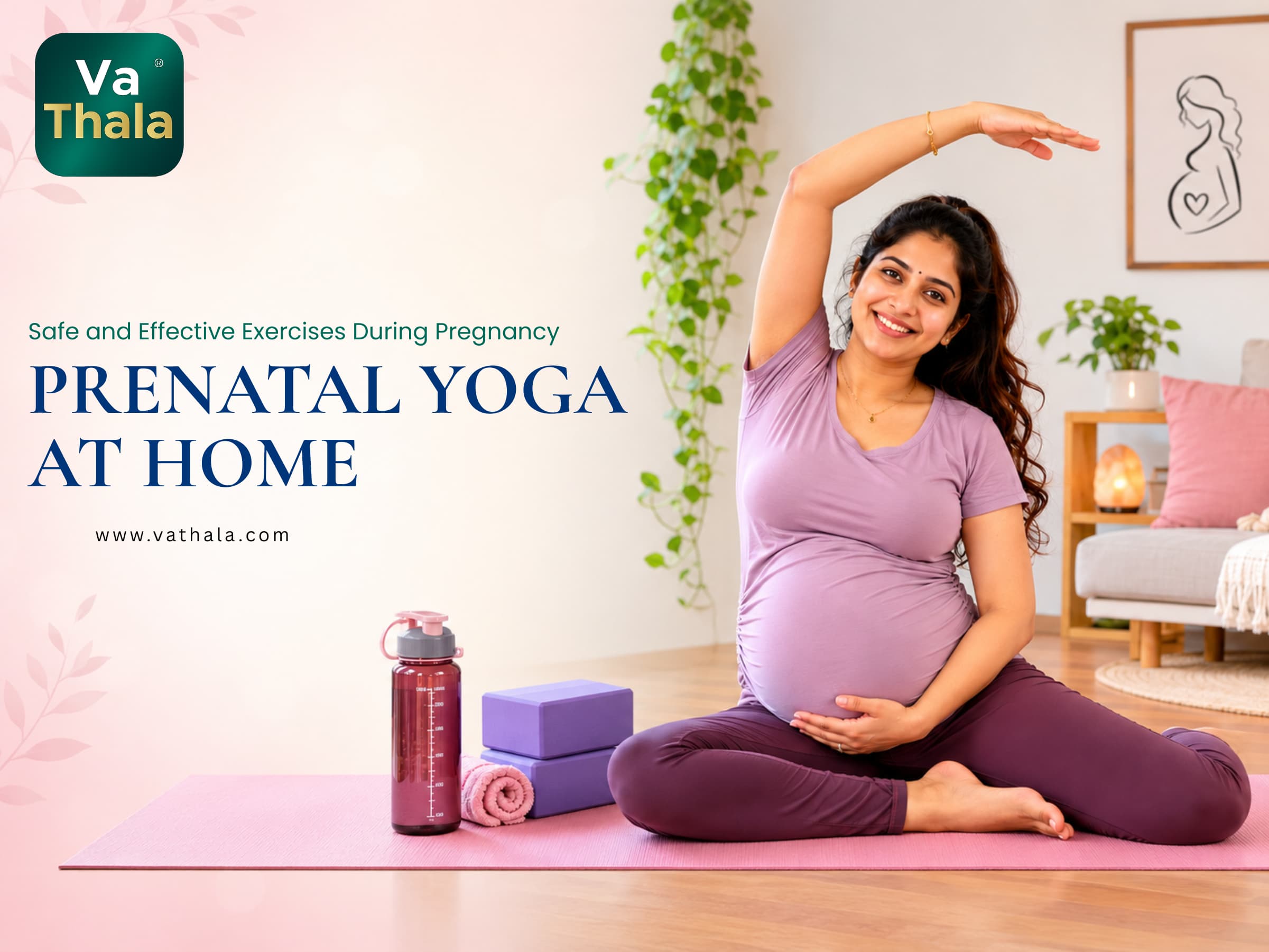
Your pregnancy journey becomes healthier, calmer, and more comfortable when just a few minutes of prenatal yoga become part of your daily routine.
Pregnancy is one of the most beautiful and life-changing experiences in a woman's life. However, it also brings significant physical, hormonal, and emotional changes. Back pain, fatigue, swollen feet, sleep disturbances, anxiety, and muscle stiffness are common challenges that many expectant mothers experience throughout pregnancy.
Every mother dreams of giving her baby the healthiest possible start in life. But during pregnancy, taking care of yourself is just as important as caring for your growing baby. The way you move, breathe, rest, and manage stress can positively influence your overall well-being and pregnancy experience.
Fortunately, prenatal yoga at home offers a safe and effective way to stay active, improve flexibility, strengthen the body, and support emotional balance throughout pregnancy.
Research published in the BMC Pregnancy and Childbirth Journal has shown that prenatal yoga can help reduce anxiety, stress, and depressive symptoms while improving overall maternal well-being. Studies also suggest that yoga may contribute to better labor experiences and improved quality of life during pregnancy.
What Is Prenatal Yoga and Why Is It Important During Pregnancy?
Prenatal yoga is a specialized form of yoga designed specifically for pregnant women. Unlike traditional yoga classes, prenatal yoga focuses on gentle stretching, breathing exercises, relaxation techniques, and pregnancy-safe poses that support both mother and baby.
As pregnancy progresses, a woman's body undergoes remarkable changes. The growing baby shifts the body's center of gravity, placing extra pressure on the lower back, hips, pelvis, and joints. Hormonal changes also make ligaments and joints more flexible, which can increase the risk of strain and discomfort.
Prenatal yoga helps mothers adapt to these changes safely by improving strength, flexibility, balance, and body awareness.
According to the World Health Organization (WHO) and other leading health organizations, healthy pregnant women are encouraged to engage in regular moderate physical activity throughout pregnancy. Prenatal yoga is one of the safest and most recommended forms of exercise when performed under professional guidance.
Beyond physical fitness, prenatal yoga teaches controlled breathing and mindfulness techniques that can be incredibly valuable during labor and delivery.
What Are the Benefits of Practicing Prenatal Yoga at Home?
Practicing prenatal yoga at home offers convenience, comfort, and flexibility, allowing mothers to exercise in a familiar and stress-free environment.
1. Reduces Stress and Anxiety
Pregnancy often brings emotional highs and lows. Yoga combines movement with breathing exercises that help calm the nervous system and reduce stress hormones.
Studies have found that pregnant women who practice yoga regularly experience lower levels of anxiety and improved emotional well-being.
2. Improves Flexibility and Strength
Gentle stretching helps maintain flexibility in the hips, pelvis, and lower back while strengthening muscles that support the growing baby.
Improved flexibility can also help prepare the body for labor and delivery.
3. Helps Relieve Common Pregnancy Discomforts
Prenatal yoga may help reduce:
- Lower back pain
- Hip discomfort
- Leg cramps
- Swollen feet and ankles
- Neck and shoulder tension
- Pelvic pressure
4. Promotes Better Sleep
Sleep disturbances affect nearly 80% of pregnant women at some stage of pregnancy. Regular yoga practice encourages relaxation, reduces stress, and promotes better sleep quality.
5. Supports Labor Preparation
Prenatal yoga teaches breathing techniques that can help women remain calm and focused during labor. Many mothers report improved confidence and better pain management during childbirth after participating in prenatal yoga programs.
6. Encourages Better Posture
As the baby grows, maintaining good posture becomes increasingly difficult. Prenatal yoga strengthens the core, back, and pelvic muscles that support proper alignment.
7. Strengthens the Mother-Baby Connection
One of the most meaningful benefits of prenatal yoga is the opportunity to connect with your baby.
Through mindful breathing, gentle movement, and moments of stillness, mothers often develop a deeper awareness of their baby's presence.
Sometimes, the quiet moments spent breathing deeply and feeling your baby's movements become some of the most cherished memories of pregnancy.
What Does Research Say About Prenatal Yoga?
Scientific research continues to support the benefits of prenatal yoga.
Several studies have shown that women who practice prenatal yoga may experience:
- Reduced stress and anxiety
- Improved sleep quality
- Better emotional well-being
- Reduced pregnancy-related discomfort
- Improved flexibility and physical fitness
- Greater confidence during labor and delivery
A systematic review examining yoga interventions during pregnancy found that prenatal yoga can positively influence maternal mental health and improve overall pregnancy experiences when practiced safely.
While individual experiences vary, the growing body of evidence suggests that prenatal yoga is a valuable addition to a healthy pregnancy routine.
Which Prenatal Yoga Exercises Are Safe and Effective for Expectant Mothers?
The following prenatal yoga poses are generally considered safe for most healthy pregnancies. However, always consult your healthcare provider before beginning any exercise program.
Cat-Cow Stretch
This gentle movement improves spinal flexibility and helps relieve lower back discomfort.
Benefits:
- Reduces back pain
- Improves posture
- Enhances mobility
- Relieves spinal tension
Butterfly Pose (Baddha Konasana)
A seated pose that opens the hips and improves pelvic flexibility.
Benefits:
- Stretches inner thighs
- Supports pelvic mobility
- Improves circulation
- Encourages relaxation
Child's Pose (Modified)
A restorative posture that helps relieve tension throughout the body.
Benefits:
- Relaxes the mind
- Reduces stress
- Gently stretches the back
- Promotes deep breathing
Warrior II
A standing pose that builds strength and stability.
Benefits:
- Strengthens legs and hips
- Improves balance
- Supports endurance
- Builds confidence
Side Stretch Pose
This pose creates space in the rib cage and improves breathing comfort.
Benefits:
- Relieves side-body tension
- Supports lung expansion
- Improves flexibility
- Reduces tightness
Pelvic Tilts
A simple exercise that strengthens core muscles and relieves lower back pressure.
Benefits:
- Improves pelvic stability
- Reduces back discomfort
- Strengthens abdominal muscles
- Supports labor preparation
Important Safety Note
Avoid:
- Hot yoga
- Deep twisting poses
- High-impact movements
- Poses that compress the abdomen
- Lying flat on the back for extended periods after the first trimester
Always listen to your body and stop immediately if you experience pain, dizziness, shortness of breath, or discomfort.
What Common Mistakes Should You Avoid During Prenatal Yoga?
Although prenatal yoga is generally safe, certain mistakes can increase discomfort or risk.
Ignoring Medical Advice
Every pregnancy is unique. Women with high-risk pregnancies or medical complications should seek medical clearance before starting yoga.
Overstretching
Pregnancy hormones naturally loosen joints and ligaments. Stretching beyond your comfort level can increase the risk of injury.
Holding Your Breath
Breathing is a fundamental part of prenatal yoga. Focus on slow, controlled breathing throughout every movement.
Practicing Without Proper Guidance
Generic online yoga classes may not always be suitable for pregnant women. Pregnancy-specific instruction is important for safety.
Pushing Through Pain
Yoga should never cause pain. If a movement feels uncomfortable, stop and modify the pose.
Skipping Hydration
Drink enough water before and after each session to stay hydrated and support healthy circulation.
Listening to your body is one of the most important principles of prenatal yoga.
Why Choose VaThala Home Healthcare for Prenatal Yoga Classes at Home?
Finding safe and professional prenatal yoga guidance can make a significant difference during pregnancy. That's where VaThala Home Healthcare supports expectant mothers with personalized prenatal yoga sessions delivered in the comfort of their homes.
With experienced instructors and pregnancy-focused wellness programs, VaThala ensures that every session is adapted to your stage of pregnancy, fitness level, and individual needs.
Why Mothers Choose VaThala ?
- Personalized prenatal yoga sessions at home
- Certified and experienced instructors
- Safe pregnancy-focused exercise routines
- Flexible scheduling options
- One-on-one guidance and support
- Comfortable home-based sessions
- Focus on physical and emotional well-being
Whether you're in your first trimester or preparing for delivery, VaThala's prenatal yoga services help you stay active, confident, relaxed, and better prepared for motherhood.
A Gentle Reminder for Every Expecting Mother
Pregnancy is not about being perfect. It's about caring for yourself and your growing baby one day at a time.
Some days you'll feel energetic and motivated. Other days, your body may simply need rest. Prenatal yoga teaches you to listen to your body with compassion, patience, and confidence.
Your body is doing something extraordinary creating new life. Every gentle stretch, mindful breath, and moment of self-care is an investment in both your health and your baby's well-being.
Remember, a healthy and happy mother is one of the greatest gifts a baby can receive.
Final Thoughts
Prenatal yoga is more than just exercise it's a holistic approach to supporting physical health, emotional balance, and labor preparation during pregnancy.
With regular practice, expectant mothers can experience improved flexibility, reduced stress, better sleep, enhanced strength, and greater confidence throughout their pregnancy journey.
By following safe techniques and seeking professional guidance when needed, prenatal yoga can become one of the most beneficial habits during pregnancy.
With personalized prenatal yoga sessions at home from VaThala Home Healthcare, expectant mothers can embrace pregnancy with greater comfort, confidence, and peace of mind. Because every mother deserves compassionate support, expert guidance, and a wellness journey that feels as nurturing as the new life she is bringing into the world.
FAQs – Prenatal Yoga at Home During Pregnancy
1. Is prenatal yoga safe during all stages of pregnancy?
Yes, prenatal yoga is generally safe for most healthy pregnancies when practiced under proper guidance. However, it is always recommended to consult your doctor before starting any exercise routine, especially if you have a high-risk pregnancy.
2. When should I start prenatal yoga during pregnancy?
Many women begin prenatal yoga during the second trimester, but it can often be started earlier with medical approval. The exercises and intensity should be adjusted according to your stage of pregnancy.
3. How often should I practice prenatal yoga?
Most experts recommend practicing prenatal yoga 2 – 5 times per week for 20 - 45 minutes per session, depending on your comfort level and healthcare provider's advice.
4. What are the benefits of prenatal yoga for pregnant women?
Prenatal yoga can help reduce stress, improve flexibility, relieve back pain, promote better sleep, strengthen muscles, improve posture, and prepare the body for labor and delivery.
5. Can prenatal yoga help with labor and childbirth?
Yes. Prenatal yoga teaches breathing techniques, relaxation methods, and gentle strengthening exercises that may help improve comfort, confidence, and endurance during labor.
6. Which yoga poses should be avoided during pregnancy?
Pregnant women should avoid hot yoga, deep twists, intense backbends, poses that put pressure on the abdomen, and lying flat on the back for extended periods after the first trimester.
7. Is it safe to practice prenatal yoga at home?
Yes, prenatal yoga can be safely practiced at home when guided by certified prenatal yoga instructors who understand pregnancy-specific modifications and safety precautions.
8. Why choose VaThala Home Healthcare for prenatal yoga classes at home?
VaThala Home Healthcare provides personalized prenatal yoga sessions at home with experienced instructors, pregnancy-safe exercises, flexible scheduling, and one-on-one guidance to support mothers throughout their pregnancy journey.