
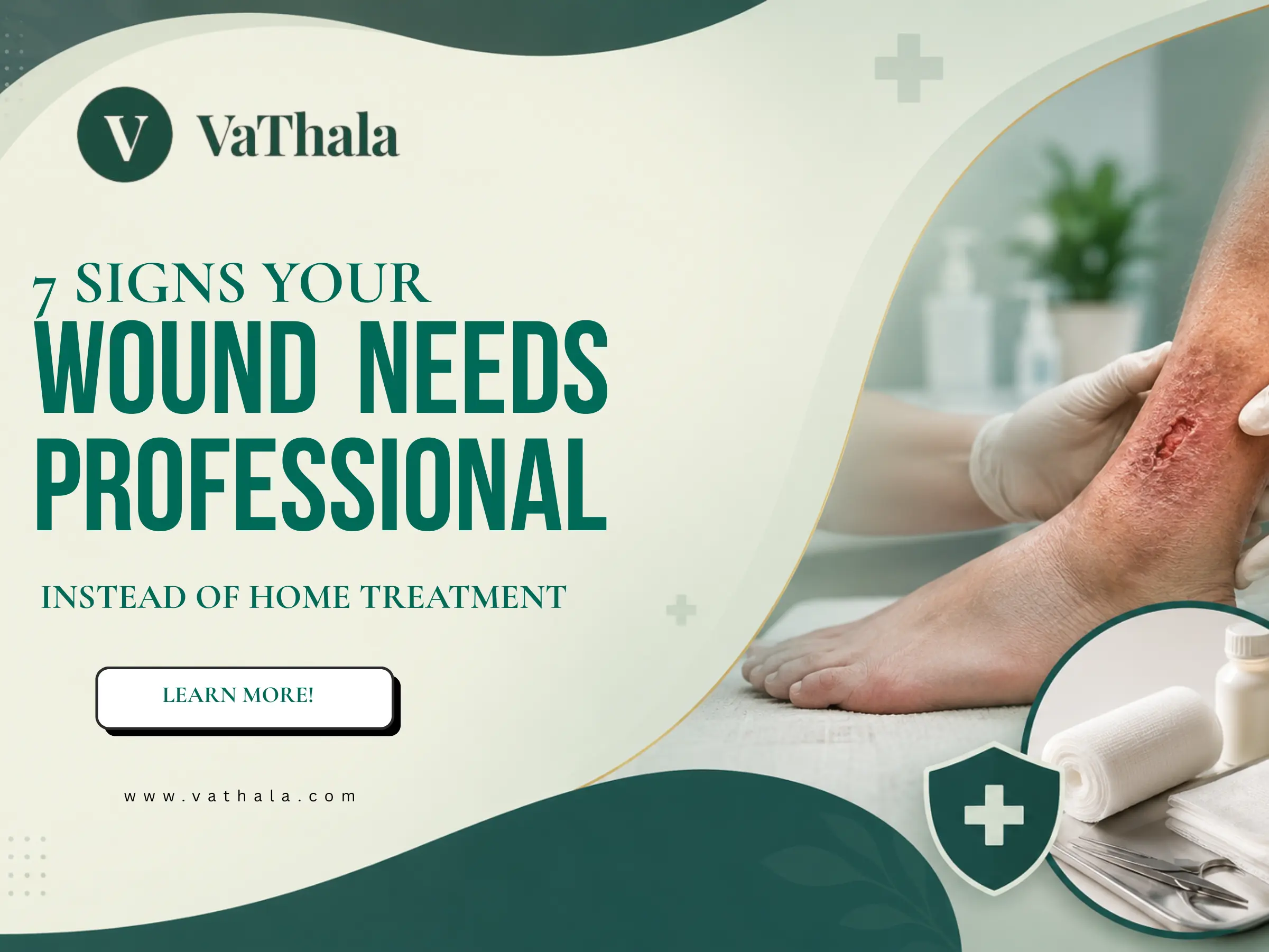
"It started as a small cut."
That's what Ravi, a 62-year-old retired teacher from Chennai, thought when he accidentally scraped his leg while gardening. "It's just a scratch," he told his wife. A bandage, some antiseptic, and a few days of rest surely that would be enough.
But a week later, the redness had spread. The wound became painful, warm to the touch, and started leaking yellow fluid. By the time Ravi visited a healthcare professional, the infection had reached deeper layers of his skin, requiring weeks of treatment instead of a few days of healing.
Stories like Ravi's are more common than many people realize.
According to the World Health Organization (WHO), millions of people worldwide develop wound infections each year, many of which can be prevented through timely assessment and proper wound care. Similarly, the International Diabetes Federation (IDF) estimates that nearly 1 in 10 adults worldwide lives with diabetes, making delayed wound healing a growing concern, especially among older adults.
The good news?
Most serious wound complications can be avoided by recognizing the early warning signs and seeking professional care at the right time.
In this guide, you'll learn the seven signs that indicate your wound needs professional medical attention instead of home treatment.
7 Warning Signs Your Wound Needs Professional Care
1. Your wound keeps bleeding
Bleeding that continues for more than 10 –15 minutes despite applying firm pressure should never be ignored.
Persistent bleeding may indicate damage to a blood vessel that requires medical evaluation.
Example
A kitchen knife cut that continues soaking through multiple bandages needs immediate attention.
2. The redness keeps spreading
Some redness is normal during healing.
However, redness that spreads outward over several days may indicate infection.
Watch for:
- Expanding red areas
- Swelling
- Warm skin around the wound
These symptoms suggest bacteria may be multiplying beneath the skin.
3. Pus or foul-smelling discharge
Healthy wounds usually produce little or no discharge.
If you notice:
- Yellow pus
- Green drainage
- Thick cloudy fluid
- Bad odor
your wound may already be infected.
Professional wound cleaning and dressing can help prevent the infection from worsening.
4. Fever or chills
A wound doesn't only affect the skin.
If bacteria enter the bloodstream, your body may respond with:
- Fever
- Chills
- Fatigue
- Body aches
These symptoms require prompt medical assessment because they can indicate a spreading infection.
5. Pain keeps getting worse
Most wounds become less painful each day.
If the pain becomes more intense after several days instead of improving, it could signal:
- Infection
- Tissue damage
- Poor circulation
- Improper healing
Pain should never be ignored simply because the wound "looks small."
6. Your wound isn't healing after two weeks
Healthy wounds generally show visible improvement within 7–14 days, depending on their size and location.
If your wound:
- Looks the same
- Continues leaking fluid
- Doesn't reduce in size
- Opens repeatedly
It should be evaluated by a wound care professional.
This is especially important for people with diabetes, poor circulation, or weakened immunity.
7. You have diabetes or the wound is deep
Certain wounds always deserve professional attention.
These include:
- Diabetic foot wounds
- Surgical wounds
- Pressure sores
- Burn injuries
- Animal bites
- Deep cuts
- Wounds exposing fat or muscle
For people living with diabetes, even a small blister can become serious if left untreated because reduced blood circulation slows healing.
According to the International Diabetes Federation, diabetic foot complications remain one of the leading causes of hospitalization among people with diabetes worldwide.
What Can Happen If You Delay Treatment?
Ignoring the warning signs doesn't simply delay healing it can lead to complications that become much harder to treat.
Potential risks include the following:
- Wound infection
- Tissue damage
- Chronic non-healing wounds
- Increased scarring
- Hospital admission
- Longer recovery time
Imagine ignoring a leaking tap.
At first, it seems harmless.
Weeks later, the entire wall is damaged.
Wounds behave in much the same way. Early care is almost always easier, safer, and more affordable than treating advanced complications.
What Can Happen If You Delay Treatment?
Ignoring the warning signs doesn't simply delay healing it can lead to complications that become much harder to treat.
Potential risks include the following:
- Wound infection
- Tissue damage
- Chronic non-healing wounds
- Increased scarring
- Hospital admission
- Longer recovery time
Imagine ignoring a leaking tap.
At first, it seems harmless.
Weeks later, the entire wall is damaged.
Wounds behave in much the same way. Early care is almost always easier, safer, and more affordable than treating advanced complications.
How Professional Wound Care Helps You Heal Faster?
Professional wound care goes beyond simply changing a bandage.
A trained healthcare professional carefully evaluates the following:
- The type of wound
- Depth of tissue damage
- Infection risk
- Blood circulation
- Underlying medical conditions
Treatment may include:
- Advanced wound dressings
- Safe wound cleaning
- Infection management
- Regular healing assessments
- Personalized care plans
- Patient education for continued home care
This structured approach supports healing while reducing the risk of complications.
Why Choose VaThala for Home Wound Care?
Healing becomes easier when expert care comes to your doorstep.
With VaThala Home Wound Care, you don't have to struggle with frequent hospital visits or worry about dressing your wound incorrectly.
Our experienced healthcare professionals provide compassionate, personalized wound care in the comfort of your home.
Why do families trust VaThala?
✔ Professional wound assessment
✔ Sterile wound dressing at home
✔ Personalized care based on your healing progress
✔ Convenient appointment scheduling
✔ Support for diabetic, surgical, chronic, and elderly wound care
✔ Safe, comfortable, and patient-focused home healthcare
Whether you're recovering from surgery, managing a diabetic wound, or caring for an elderly loved one, VaThala Home Health care is here to help you heal with confidence.
Final Thoughts
Every wound tells a story.
Most heal quietly with proper care.
Some ask for help.
Knowing the difference can protect your health, reduce complications, and speed up recovery.
If your wound shows any of the warning signs discussed above, don't wait for it to become more serious. Seeking professional care early can make all the difference.
Because healing isn't just about closing a wound it's about helping you return to the people and moments that matter most.
Frequently Asked Questions (FAQ)
1. How do I know if my wound is infected?
Common signs include increasing redness, swelling, warmth, pus, foul odor, worsening pain, or fever.
2. Can I treat every wound at home?
No. Deep wounds, diabetic wounds, burns, animal bites, surgical wounds, and wounds that don't heal normally should be assessed by a healthcare professional.
3. How long should a wound take to heal?
Minor wounds often begin healing within a few days and show noticeable improvement within 1–2 weeks. Healing time varies depending on the wound type and your overall health.
4. Does diabetes affect wound healing?
Yes. Diabetes can reduce blood circulation and slow healing, increasing the risk of infection. Early professional care is especially important for diabetic wounds.
5. Can VaThala provide wound care at home?
Yes. VaThala offers professional home wound care services, including wound assessment, sterile dressing changes, and ongoing support to help patients heal safely in the comfort of their homes.