
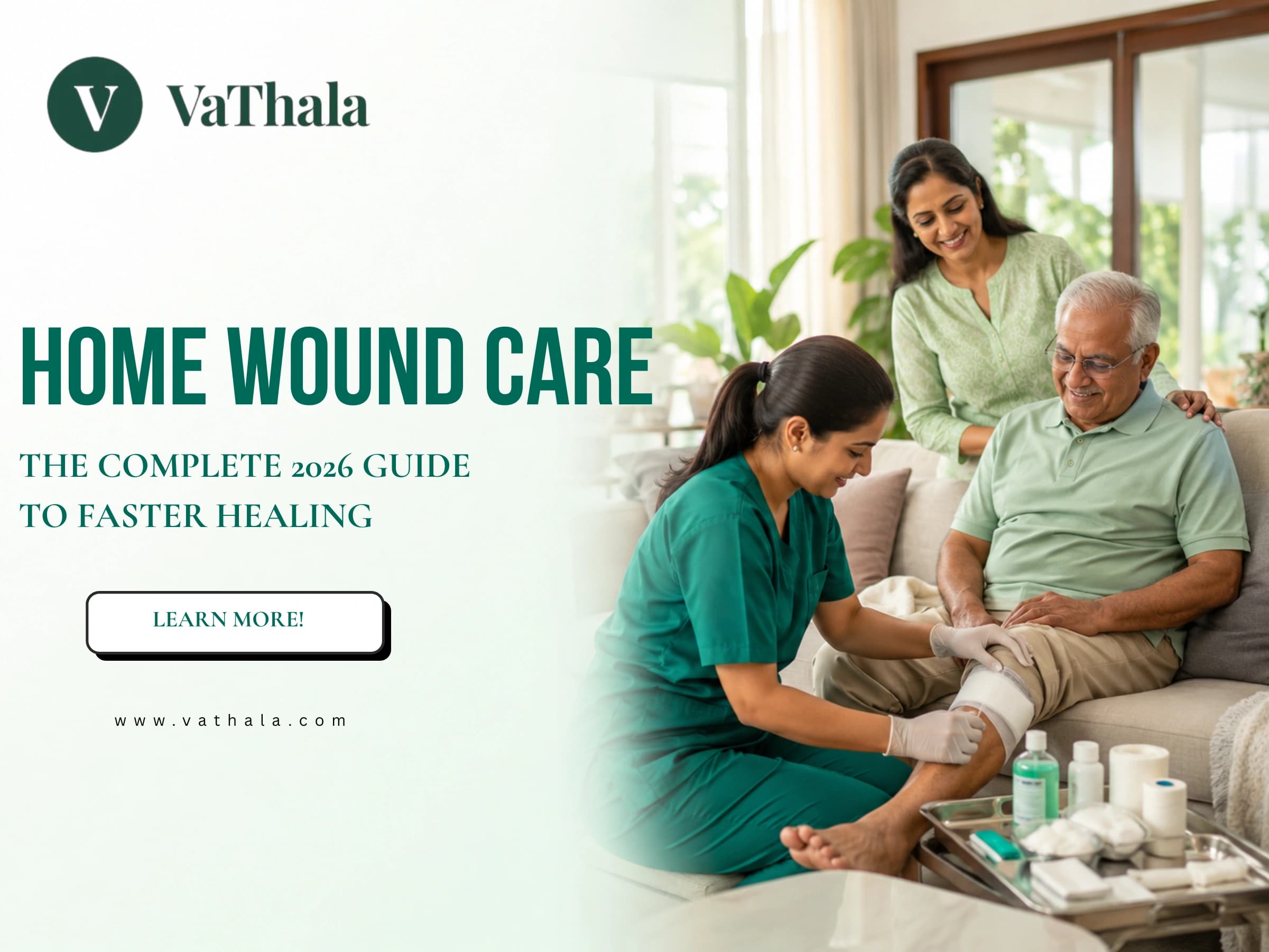
Have You Ever Seen a Loved One Struggle During a Simple Dressing Change?
Watching someone you love wince in pain while changing a wound dressing can be heartbreaking.
It could be your father recovering after surgery, your grandmother managing diabetes, or your mother confined to bed after a stroke. What may appear to be “just a small wound” can quickly become a daily source of pain, anxiety, and stress for both the patient and the family.
Every dressing change often brings new questions:
- Is the wound healing properly?
- Is there a risk of infection?
- Should we visit the hospital again?
For elderly patients and individuals with limited mobility, repeated hospital visits are not only physically exhausting but can also increase healthcare costs, delay recovery, and expose them to additional infections.
Across India, millions of family caregivers face this challenge every day, balancing work, family responsibilities, and the health of someone who depends on them. The encouraging news is that many wounds can heal safely and effectively at home when proper wound care practices are followed and professional medical support is available when needed.
According to the International Diabetes Federation (IDF) Diabetes Atlas 2025, India has over 89 million adults living with diabetes, making effective home wound care more important than ever. People with diabetes are particularly vulnerable to slow-healing wounds and diabetic foot ulcers that require specialized attention.
Whether you’re caring for an elderly parent, supporting someone after surgery, or managing a chronic wound, this comprehensive guide explains everything you need to know about home wound care and how VaThala Home Healthcare helps families across India receive expert wound care without leaving home.
Understanding Home Wound Care: Why It Matters
A wound is more than just a cut or injury to the skin. Without proper care, even a minor wound can become infected, heal slowly, or develop into a serious medical condition.
Home wound care involves cleaning, protecting, dressing, and regularly monitoring wounds in a safe and hygienic home environment. Depending on the severity of the wound, care may be provided by family members or trained healthcare professionals.
Home wound care is especially beneficial for:
- Senior citizens
- Patients recovering after surgery.
- People living with diabetes
- Bedridden patients with pressure ulcers (bedsores)
- Individuals with limited mobility
- People recovering from burns, cuts, or accidental injuries.
Benefits of Proper Home Wound Care
When performed correctly, home wound care offers several important benefits:
- Reduces the risk of infection
- Promotes faster healing
- Minimizes pain and discomfort
- Prevents unnecessary hospital visits
- Improves overall quality of life
As India’s ageing population continues to grow, professional home healthcare services are becoming an increasingly valuable solution for families seeking safe, convenient, and compassionate medical care.
How to Care for a Wound at Home: A Step-by-Step Guide
Proper wound care doesn’t have to be complicated, but it does require consistency and hygiene. Following these essential steps can significantly improve the healing process.
1. Wash Your Hands Thoroughly
Always wash your hands with soap and clean water before touching the wound. If possible, wear disposable gloves to reduce the risk of contamination.
2. Clean the Wound Gently
Rinse the wound using clean running water or a sterile saline solution to remove dirt and debris.
Avoid applying common home remedies such as:
- Toothpaste
- Coffee powder
- Turmeric directly on open wounds
- Strong antiseptic solutions without medical advice
While these remedies are often recommended traditionally, they may damage healthy tissue and delay healing.
3. Apply a Sterile Dressing
Cover the wound using a clean, sterile dressing that suits the type and condition of the wound.
Common dressing options include:
- Sterile gauze
- Foam dressings
- Hydrocolloid dressings
- Antimicrobial dressings
Complex wounds should always be dressed according to the recommendations of a qualified healthcare professional.
4. Change Dressings Regularly
Replace the dressing whenever it becomes wet, dirty, or according to your healthcare provider’s instructions.
Each dressing change is also an opportunity to observe how the wound is healing.
5. Monitor the Healing Process
A healthy wound gradually becomes smaller, cleaner, and less painful over time.
Seek medical attention immediately if you notice:
- Redness spreading around the wound.
- Swelling
- Pus or foul-smelling discharge
- Fever
- Increasing pain
- Blackened skin around the wound
Early treatment can prevent complications and speed up recovery.
Expert Tips for Faster Wound Healing
Healing doesn’t depend only on dressing changes. Your overall health plays a major role in how quickly your body repairs damaged tissue.
Eat a Protein-Rich Diet
Protein is essential for tissue repair and wound healing.
Include foods such as:
- Eggs
- Dal
- Milk
- Paneer
- Fish
- Chicken
- Soy products
Nutrients like Vitamin C, zinc, and iron also support healthy skin regeneration.
Stay Hydrated
Adequate water intake improves blood circulation and helps transport oxygen and nutrients to healing tissues.
Keep Blood Sugar Under Control
For people with diabetes, maintaining healthy blood sugar levels is one of the most important factors in preventing wound complications.
Poor glucose control can slow healing and significantly increase the risk of infection.
Reduce Pressure on the Wound
Patients with pressure ulcers should change positions regularly and use pressure-relieving cushions or mattresses whenever possible.
Avoid Smoking
Smoking reduces oxygen supply to body tissues, slowing the healing process and increasing the likelihood of complications.
Follow Medical Advice Consistently
Never skip dressing changes, medications, or follow-up care recommended by your healthcare provider.
Consistency is one of the biggest contributors to successful wound healing.
When Should You Seek Professional Wound Care at Home?
While minor cuts and abrasions often heal with basic care, some wounds require professional medical attention.
Home wound care by trained healthcare professionals is strongly recommended for:
Post-Surgical Wounds
Regular sterile dressing changes help reduce infection and promote healthy recovery after surgery.
Diabetic Foot Ulcers
Diabetic wounds require close monitoring because they heal more slowly and carry a higher risk of serious complications.
Pressure Ulcers (Bedsores)
Patients who remain in bed for extended periods need specialized wound management to prevent further tissue damage.
Chronic Non-Healing Wounds
If a wound has shown little improvement after two weeks or continues to worsen, it should be assessed by a healthcare professional.
Patients with Limited Mobility
For elderly individuals, stroke survivors, and patients recovering from orthopedic surgery, receiving professional wound care at home is often safer, more comfortable, and far more convenient than repeated hospital visits.
Why Choose VaThala Home Healthcare for Home Wound Care?
Healing isn’t just about treating a wound it’s about restoring comfort, confidence, independence, and peace of mind.
At VaThala Home Healthcare, we bring compassionate and professional wound care services directly to your doorstep across India.
Our experienced nursing professionals follow strict sterile wound care protocols while creating personalized treatment plans based on each patient’s condition.
Our Home Wound Care Services Include
- Professional wound assessment
- Sterile wound dressing
- Post-operative wound care
- Diabetic foot ulcer management
- Bedsore (pressure ulcer) treatment
- Chronic wound management
- Infection monitoring
- Patient and caregiver education
Why Families Trust VaThala ?
- Experienced healthcare professionals
- Personalized wound care plans
- Safe and hygienic dressing procedures
- Reduced hospital visits
- Convenient home appointments
- Compassionate support for both patients and caregivers
Whether your loved one is recovering from surgery, managing diabetes, or living with a chronic wound, VaThala ensures they receive expert care in the comfort and safety of their own home.
Final Thoughts
Healing is never just about closing a wound it is about restoring comfort, confidence, and hope for both patients and their families.
Every careful dressing change, every healthy meal, and every timely medical decision contributes to faster recovery. Small steps taken today can prevent infections, reduce complications, and help your loved one return to a healthier, more comfortable life.
Most importantly, remember that you don’t have to manage wound care alone.
With VaThala Home Healthcare, experienced healthcare professionals bring expert wound care directly to your doorstep, helping your loved ones heal safely, comfortably, and with the dignity they deserve.
Because sometimes, the best place to heal isn’t a hospital it’s home.
Frequently Asked Questions (FAQs)
1. What is home wound care?
Home wound care involves cleaning, dressing, and monitoring a wound at home to promote healing, prevent infection, and support faster recovery under proper care.
2. How often should a wound dressing be changed?
A wound dressing should be changed as recommended by your healthcare provider or whenever it becomes wet, dirty, or loose to keep the wound clean.
3. Can diabetic wounds be treated at home?
Yes. Diabetic wounds can be treated at home with regular dressing changes, proper blood sugar control, and guidance from a qualified healthcare professional.
4. What are the signs of a wound infection?
Signs of infection include redness, swelling, increasing pain, pus, a foul smell, or fever. Seek medical attention if you notice any of these symptoms.
5. When should I seek professional wound care at home?
Professional wound care is recommended for post-surgical wounds, diabetic foot ulcers, bedsores, chronic wounds, or wounds that are not healing properly.
6. Why choose VaThala Home Healthcare for wound care?
VaThala provides expert wound assessment, sterile dressing, personalized care plans, and professional nursing services at home, helping patients recover safely and comfortably across India.